
How Neurofeedback Therapy Works
Neurofeedback is a type of brain training that uses specialized software to give your brain real-time feedback while your attention is on another task, such as watching a movie or listening to music. Over time, many people learn to produce healthier brain activity patterns, in much the same way physical therapy helps strengthen a muscle through repetition.
Here’s how it works:
1. You undergo brain mapping.
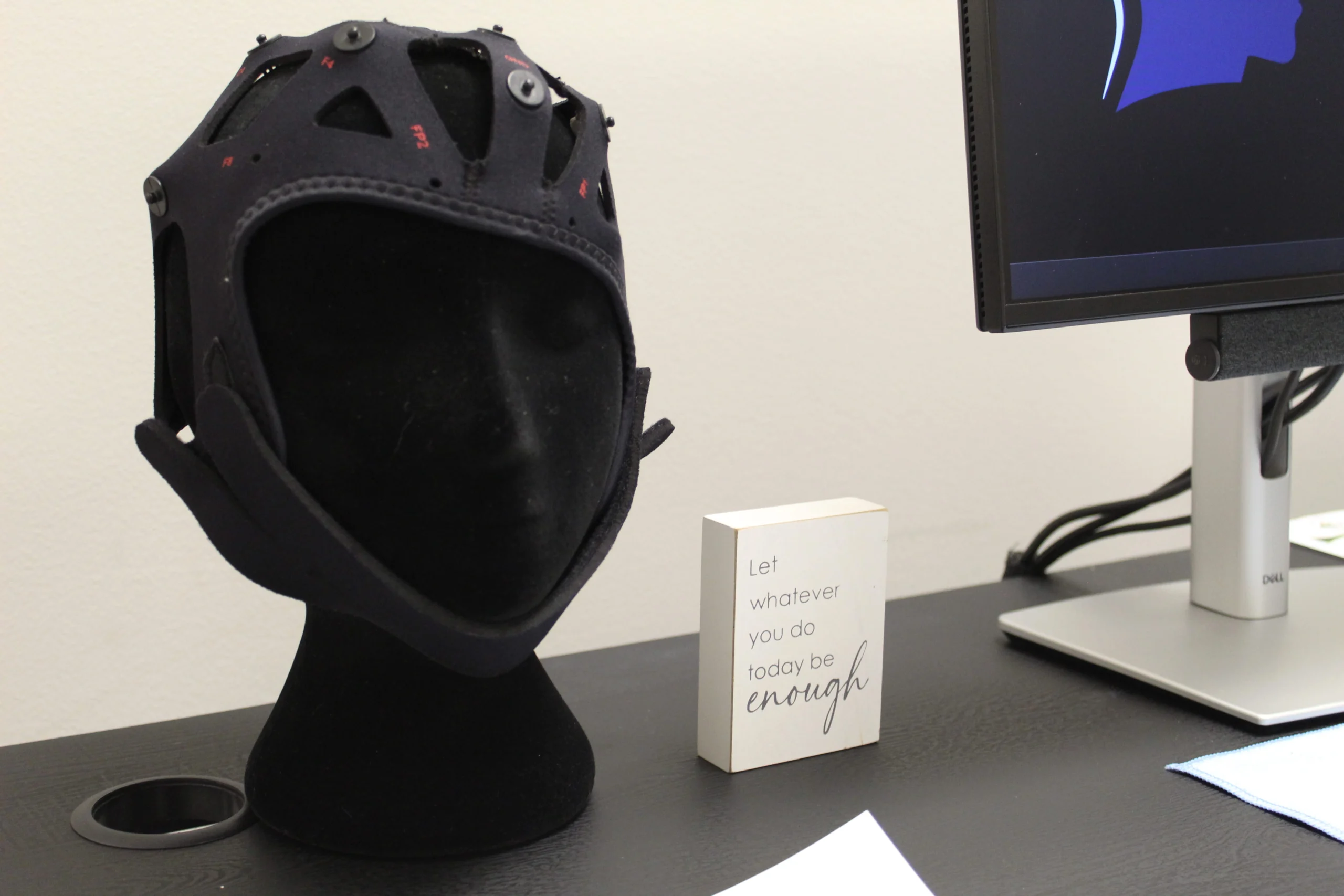
Brain mapping, also called a qEEG (quantitative electroencephalogram), is a painless and non-invasive assessment that measures your brain’s electrical activity. Our clinical team places small sensors on your scalp, which record activity your brain is already producing (they do not send electricity into your brain).
This assessment gives our clinical team insight into how different areas of your brain are functioning. While traditional therapy helps us understand what you’re thinking and feeling, brain mapping provides another source of information about brain activity patterns that may relate to substance use, mental health challenges, or other struggles.
2. We analyze the assessment.
We combine your brain map with other evaluations conducted during intake and your time in our program, including your history, symptoms, and clinical assessments by your therapist. Together, this information helps us build a treatment plan around your specific needs.
It’s important to note that brain mapping is not a stand-alone diagnostic test. It doesn’t diagnose a mental health disorder on its own or replace a full clinical evaluation. However, when combined with other information we’ve gathered during your intake, it can provide powerful insights that guide your treatment.
3. You participate in neurofeedback sessions.
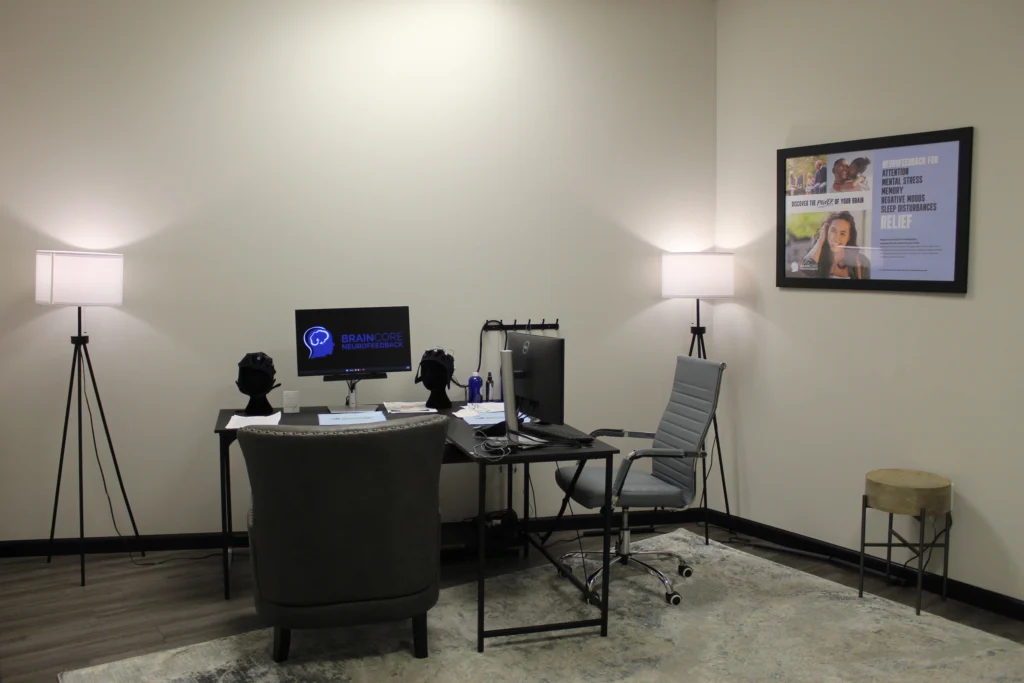
As you progress through the addiction treatment program, including traditional talk therapies and holistic wellness activities, you’ll also participate in recurring neurofeedback therapy sessions. Using information from your brain map, a specialized software gives your brain real-time feedback about your brain activity.
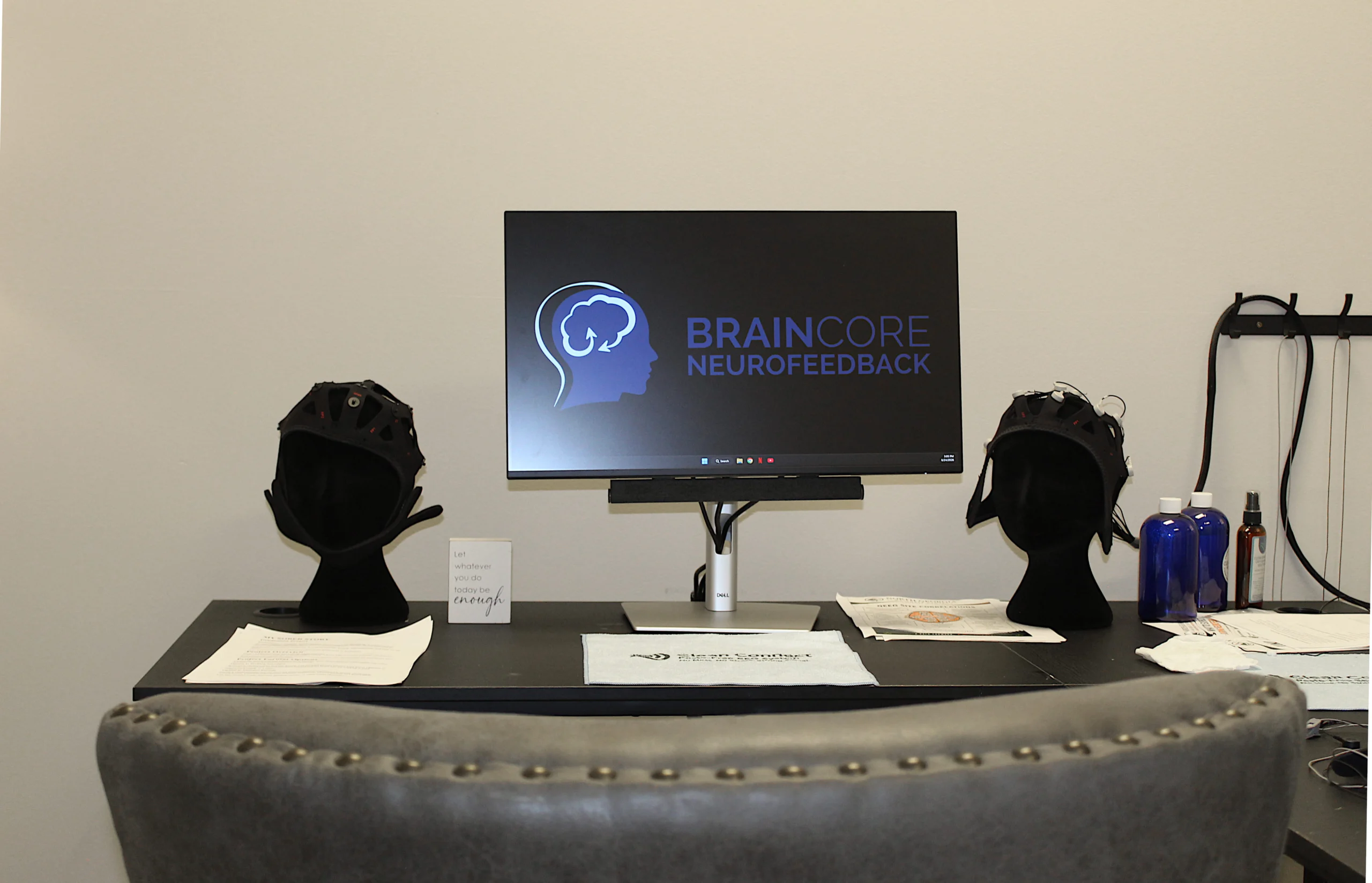
For example, during a neurofeedback session, you may watch a movie while wearing a cap with sensors. The computer adjusts the movie based on your brain activity: imbalanced brain waves may cause the volume to decrease or the screen to dim, while healthy patterns cause the sound and brightness to improve. Your brain will learn to regulate itself in exchange for a reward and, most importantly, to maintain healthy patterns on its own outside of a session.
These sessions are structured, guided by a trained professional, and adjusted based on how you respond over time.
How Much Does Neurofeedback Therapy Cost?
At North Georgia Recovery Center, we offer neurofeedback therapy at no extra cost. It doesn’t complicate the financial side of enrolling in addiction treatment, so you don’t have to worry about cost while you’re trying to focus on recovery.
Call our team and provide your insurance information, and we’ll verify your benefits to help you understand exactly what’s covered. There’s no obligation to start treatment after we verify your benefits, but we hope that this transparency will help you feel more comfortable starting treatment with no surprises.


Benefits of Neurofeedback for Addiction Recovery
Neurofeedback isn’t a replacement for the clinical work of addiction treatment. However, it’s a valuable tool that can be used alongside traditional therapies to target the specific symptoms that occur in substance abuse recovery.
Neurofeedback therapy can make it easier to participate fully in the work of recovery by improving:
Who May Benefit From Neurofeedback Therapy
Because neurofeedback therapy trains the brain to change its thinking patterns, it can play a role in reducing cravings associated with substance abuse. It’s particularly useful when symptoms like anxiety, poor concentration, impulsivity, or sleep disruption interfere with recovery. While neurofeedback shouldn’t be used as a standalone treatment for addiction, it can support the bigger treatment picture by helping your brain practice the coping mechanisms learned in traditional therapy.
Neurofeedback therapy also supports emotional regulation, stress tolerance, and other aspects of mental wellness, meaning it may be helpful for treating:
- Anxiety
- Depression
- PTSD and trauma-related symptoms
- ADHD and attention difficulties
- Sleep problems
- Emotional dysregulation
- Stress-related disorders
- Mild traumatic brain injury (when appropriate)

How North Georgia Recovery Center Incorporates Neurofeedback Therapy
If you’re looking for outpatient addiction treatment in the greater Atlanta area, finding a provider with comprehensive treatment options is a must. At North Georgia Recovery Center, we believe in treating every aspect of your experience with substance abuse, which is why we incorporate a variety of therapeutic methods designed to support your recovery. That includes neurofeedback therapy.
Brain mapping and neurofeedback therapy are part of the full continuum of care at North Georgia Recovery Center. If we think that neurofeedback therapy would be helpful to your recovery journey, we’ll likely schedule brain mapping in the early stages of the program. That way, our team can factor it into your treatment plan from the start.


